Archives
- 2026-09
- 2026-08
- 2026-07
- 2026-06
- 2026-05
- 2026-04
- 2026-03
- 2026-02
- 2026-01
- 2025-12
- 2025-11
- 2025-10
- 2025-09
- 2025-03
- 2025-02
- 2025-01
- 2024-12
- 2024-11
- 2024-10
- 2024-09
- 2024-08
- 2024-07
- 2024-06
- 2024-05
- 2024-04
- 2024-03
- 2024-02
- 2024-01
- 2023-12
- 2023-11
- 2023-10
- 2023-09
- 2023-08
- 2023-07
- 2023-06
- 2023-05
- 2023-04
- 2023-03
- 2023-02
- 2023-01
- 2022-12
- 2022-11
- 2022-10
- 2022-09
- 2022-08
- 2022-07
- 2022-06
- 2022-05
- 2022-04
- 2022-03
- 2022-02
- 2022-01
-
Furthermore low affinity sites that
2023-09-04
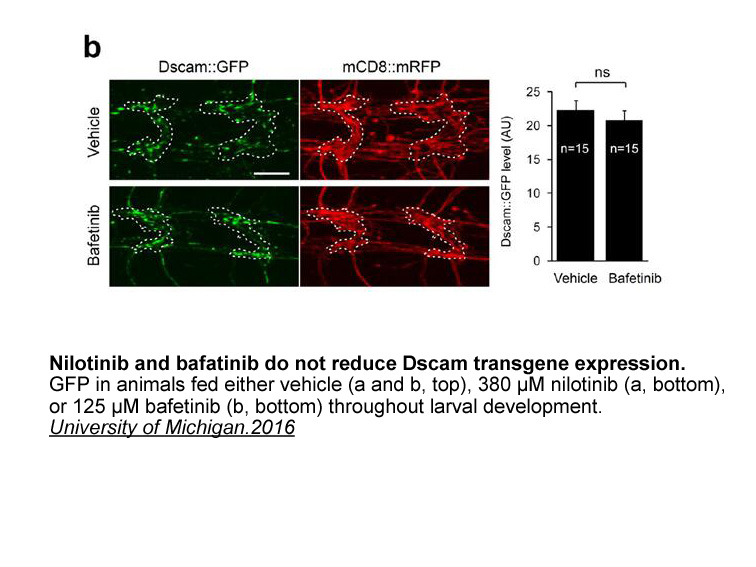
Furthermore, low-affinity sites that share no structural homology with the aforementioned sites have been described in the transmembrane domain. It has been discovered that, in α1βγ2 receptors, potentiation of GABA-activated currents by high concentrations of diazepam is biphasic, with a high- and a
-
(R)-baclofen sale The MOB and AOB are important in
2023-09-04
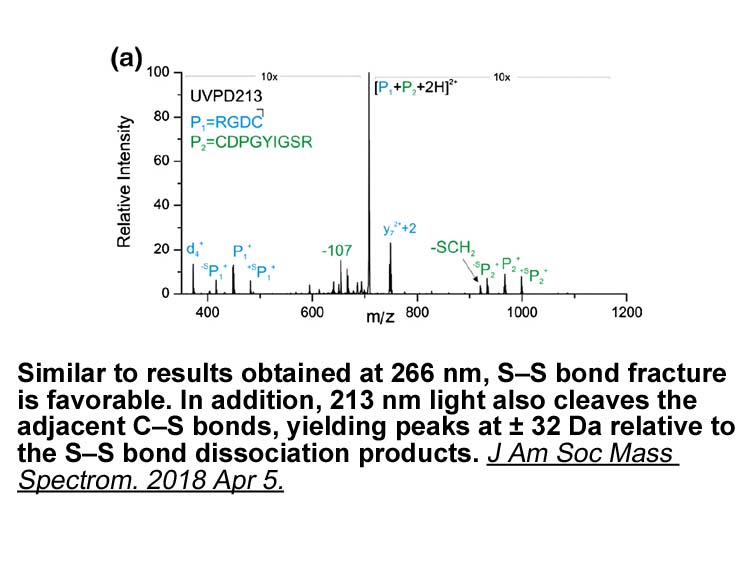
The MOB and AOB are important in ungulates (Keller and Levy, 2012, Sanchez-Andrade and Kendrick, 2009), which rely heavily on odorant information for social interactions (Baum and Cherry, 2015, Keller and Levy, 2012, Osada et al., 2014, Villagran and Ungerfeld, 2013). The release of GABA and glutama
-
Pathological angiogenesis occurs when an imbalance of endoge
2023-09-04

Pathological angiogenesis occurs when an imbalance of endogenous proangiogenic and antiangiogenic factors occurs. Although the focus of angiogenesis-related drug development has been geared to the discovery of antiangiogenic compounds for use in pathologies where excessive angiogenesis occurs (cance
-
No starting dose adjustment is needed for mild or moderate
2023-09-04
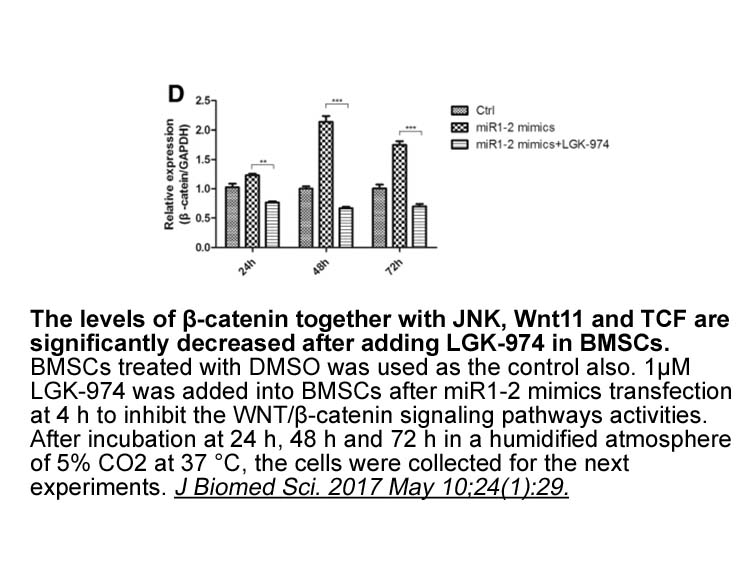
No starting dose adjustment is needed for mild or moderate renal impairment and mild hepatic impairment (Child-Pugh A classification) though use in patients with severe hepatic impairment (Child-Pugh classification Class C, 10–15 points score) is not recommended.8, 9, 10, 13 Drug interaction & ad
-
Our research group has been involved by
2023-09-04
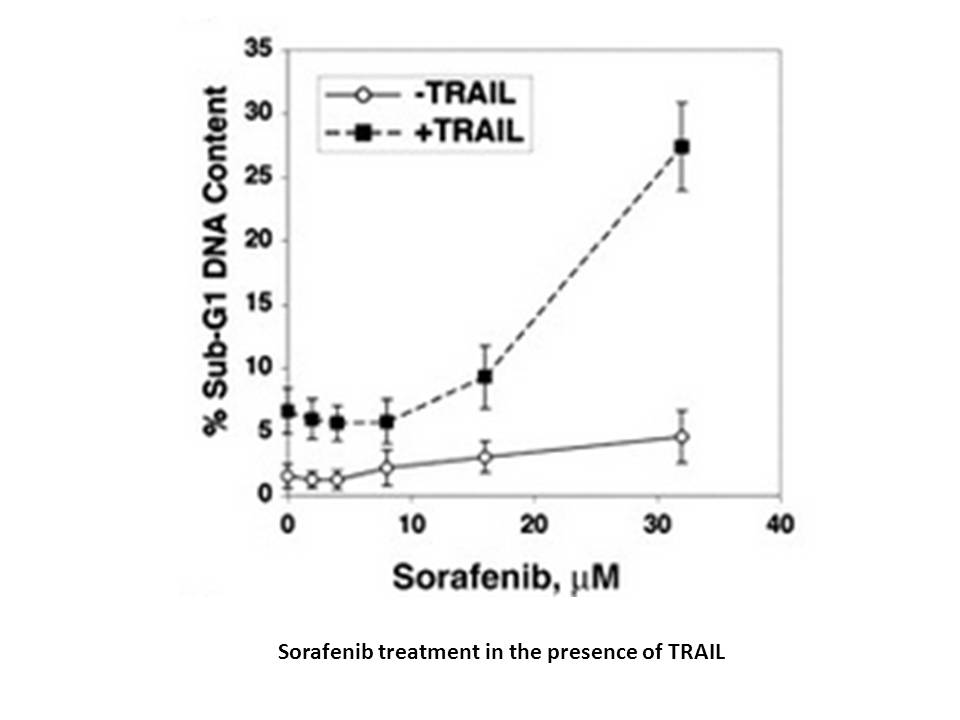
Our research group has been involved by many years in the synthesis of new 2,3-benzodiazepin-4-ones (e.g. 1, Fig. 1) and in the characterization of their mechanism of action.15, 16, 17 Within the development of these compounds, we demonstrated that an improvement of AMPAR antagonism by 2,3-benzodiaz
-
br Acknowledgements br Introduction Microbial enzymes
2023-09-04
Acknowledgements Introduction Microbial enzymes have gained interest for their widespread uses in industries and medicine owing to their stability, catalytic activity, and ease of production and optimization than plant and animal enzymes (Singh et al., 2016). Microbial aminopeptidases (amino-a
-
br Conclusion br Acknowledgement This study
2023-09-04
Conclusion Acknowledgement This study was supported by NIH/NINDSR01 NS036812-16. Introduction Lipoxygenases (LOXs) are a heterogeneous family of enzymes that catalyze the peroxidation of polyunsaturated fatty acids (PUFAs). By oxidizing free PUFAs, they were shown to contribute to the gene
-
Globally the total number of
2023-09-04
Globally, the total number of patients included in the meta-analysis was 1885, ranging from 40 to 442 patients per study. All eligible studies reported the association between ALDH1 expression and patients' OS [24-26, 3241], whereas nine studies evaluated the relationship between ALDH1 expression an
-
Among the enzymes involved in adenosine metabolism adenosine
2023-09-04
Among the enzymes involved in adenosine metabolism, adenosine kinase plays an important role in regulating formation and release of endogenous adenosine in cardiomyocytes as well as vascular endothelial cells Decking et al., 1997, Kowaluk et al., 1998, Smolenski et al., 1994. Inhibition of adenosine
-
Actin is capable of polymerizing spontaneously However this
2023-09-04

Actin is capable of polymerizing spontaneously. However, this process is relatively slow and kinetically unfavorable in cells. Formation of GSK2334470 australia dimers and trimers, which can easily disassemble due to their instability, is a rate-determining step in actin polymerization [5], [6]. The
-
The diagnosis of ICP is currently based on the
2023-09-01
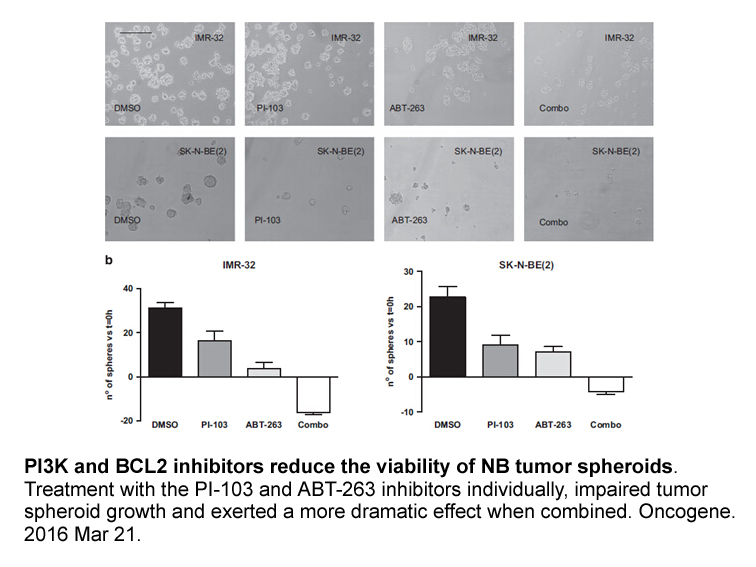
The diagnosis of ICP is currently based on the presence of pruritus, raised fasting serum TBS levels above 10μmol/L, and/or elevated serum transaminases (in the absence of diseases that cause cholestasis or pruritus) as well as spontaneous relief of signs and symptoms within four to six weeks after
-
Previous investigations have established that aromatase
2023-09-01

Previous investigations have established that aromatase activity is regulated via two different pathways in a tissue-specific manner. The first is a slower transcription regulatory pathway that involves an alteration in gene transcription and represents what is classically thought of as the way by w
-
Functional implications notwithstanding the intermolecular c
2023-09-01
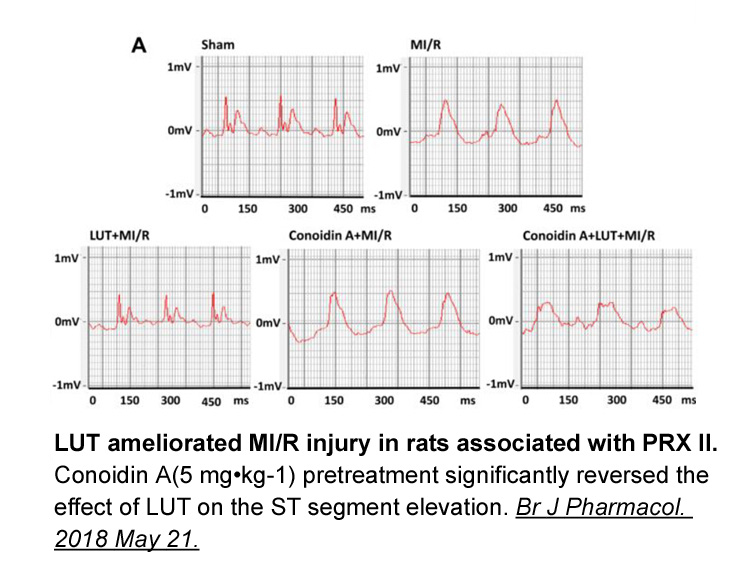
Functional implications notwithstanding, the intermolecular contact appears to shield the Y361 side chain (Fig. 3) from being accessible for regulation by phosphorylation/dephosphorylation as has been proposed [18,19]. It is, therefore, likely that Src kinase and PTP1B phosphatase bind to an AROM mo
-
Mitochondria are key organelles involved in the
2023-09-01
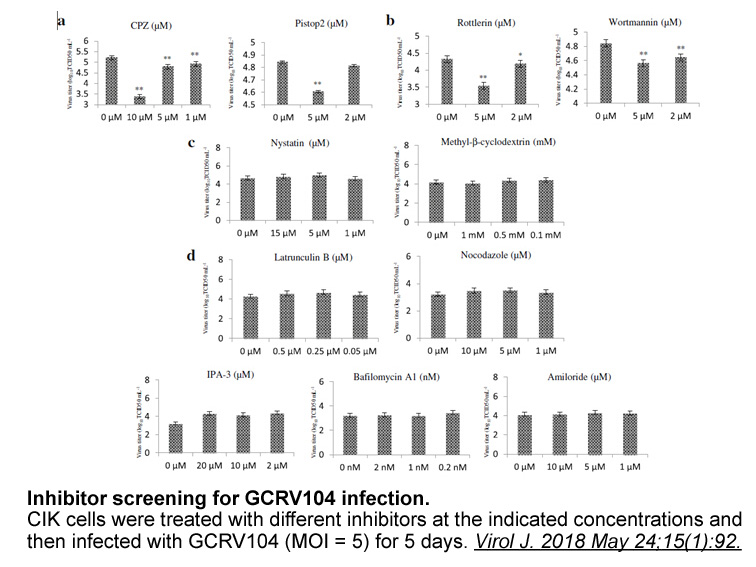
Mitochondria are key organelles involved in the mechanism of apoptosis (Xiong et al., 2014), and loss of ΔΨm is an important marker associated with mitochondrial dysfunction and cell death. We found that Mino induced ΔΨm impairment and nuclear fragmentation in Jurkat Anhydrotetracycline hydrochlorid
-
Here we found that AMPK directly phosphorylates EZH at
2023-09-01
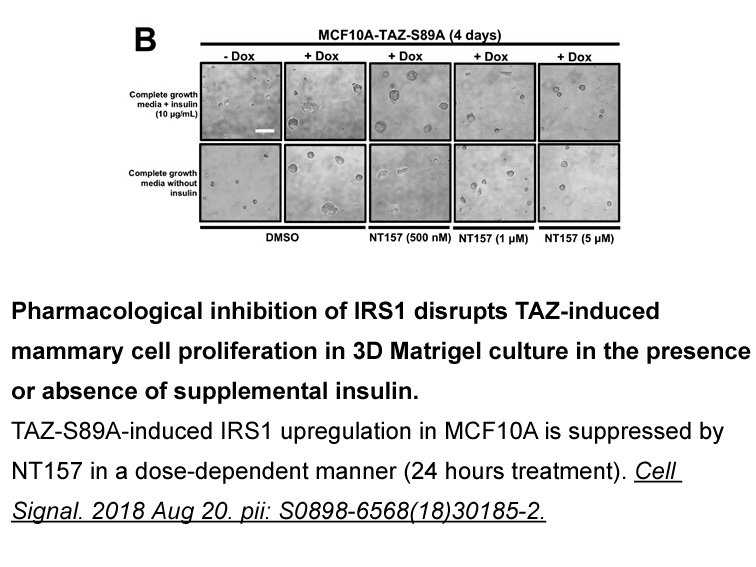
Here we found that AMPK directly phosphorylates EZH2 at Thr311 to disrupt its interaction with SUZ12 and to inhibit PRC2 enzymatic activity, which is supported by the increased expression of PRC2-repressed genes. Furthermore, the T311E-EZH2 mutant that mimics AMPK-mediated phosphorylation status sup
8056 records 319/538 page Previous Next First page 上5页 316317318319320 下5页 Last page